
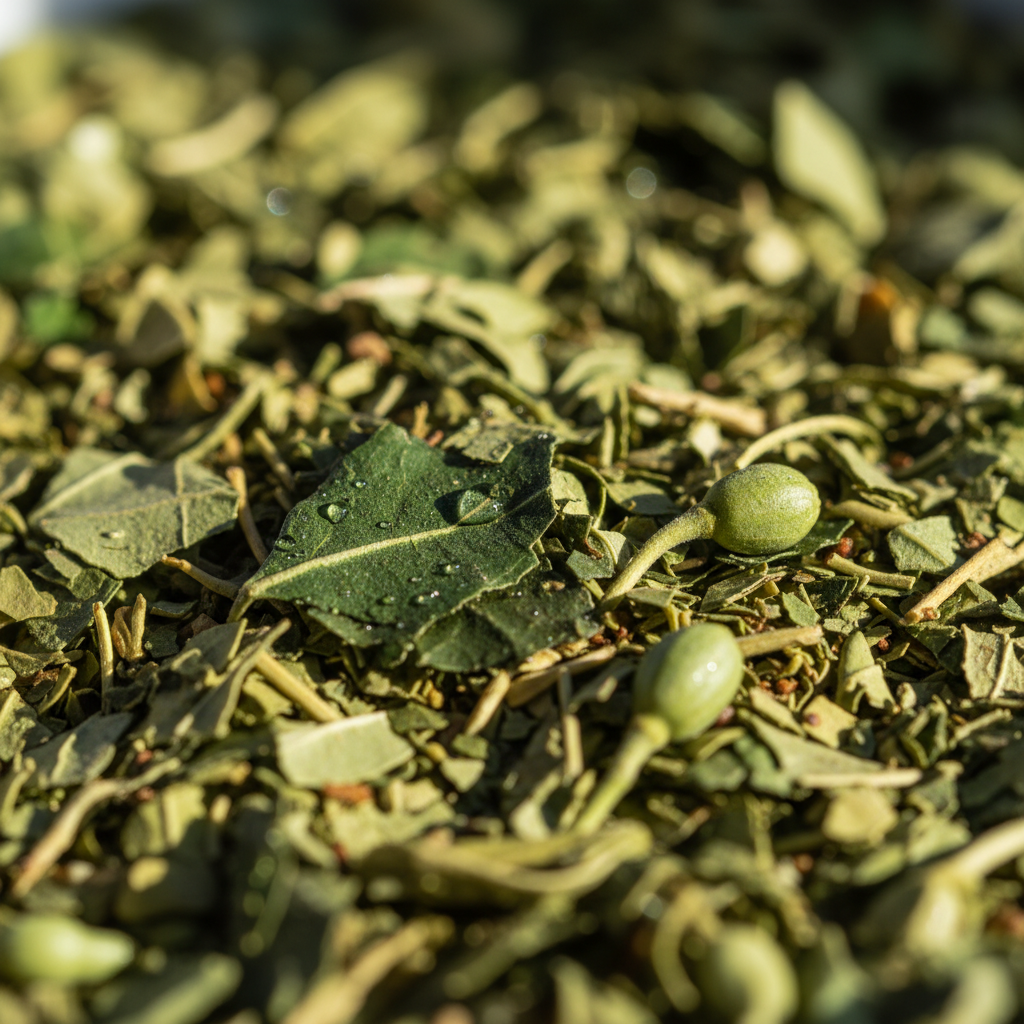
Most energy drinks operate on a simple formula: pack in synthetic caffeine, add a heap of sugar, and hope the consumer doesn't read the label too carefully. We built Club-Mate on the exact opposite philosophy. Every bottle starts with 100% natural South American yerba mate, a plant that indigenous communities across Argentina, Paraguay, and Brazil have relied on for centuries. That botanical foundation isn't just a marketing story. It's the technical reason our caffeine behaves differently inside your body compared to what you get from conventional energy drinks.
Understanding that difference matters, especially now. Consumers worldwide are scrutinising ingredients with a level of sophistication that would have seemed unusual a decade ago. According to McKinsey's research on the global wellness market, health-conscious purchasing decisions have become a primary driver of beverage category growth, with transparency and natural sourcing ranking near the top of consumer priorities. Club-Mate is built precisely for this shift.
What Makes the Yerba Mate Caffeine Source Different
Synthetic caffeine, the kind most mainstream energy drinks use, hits your bloodstream fast. You get a spike, then a crash. The science behind this is fairly straightforward: isolated caffeine compounds absorb quickly without any botanical buffers to moderate the release. Yerba mate doesn't work that way.
The Phytochemical Matrix
The Club-Mate natural caffeine feature comes from how the yerba mate plant naturally packages its stimulants. When you drink Club-Mate, you're not getting isolated caffeine. You're getting caffeine embedded within a complex matrix of:
- Theobromine: a mild stimulant also found in cacao, known for its smooth, longer-lasting energy contribution
- Theophylline: a xanthine compound that supports bronchodilation and complements caffeine's alertness effects
- Polyphenols and antioxidants: plant compounds that interact with how caffeine metabolises in the body
- Chlorogenic acids: which help moderate glucose absorption, contributing to steadier energy levels
Together, these compounds create what nutritionists often describe as a "buffered" caffeine experience. The energy comes on gradually, holds steadier for longer, and fades without a hard crash. Athletes, creative professionals, and festival-goers who've switched to Club-Mate regularly report this smoother arc as one of the first things they notice.
Caffeine Content in Context
| Beverage | Caffeine per 100ml | Caffeine Source | Added Sugar (per 100ml) |
|---|---|---|---|
| Club-Mate (500ml) | ~20mg | Natural yerba mate | ~5g |
| Typical energy drink | ~32mg | Synthetic / added caffeine | ~11g |
| Cola soft drink | ~10mg | Added caffeine | ~10g |
| Black filter coffee | ~40-60mg | Natural (coffee bean) | 0g |
Club-Mate sits at a purposeful sweet spot: enough natural caffeine to support genuine alertness, without the overcaffeination that leads to anxiety or jitteriness. The low sugar load means you're not riding a glucose spike either. It's a calibrated formula, not an accident.
The Brewing Process Behind the Sustained Release
The Lösch family brewery in Bavaria has been refining this process since 1924. The way yerba mate is extracted and brewed directly affects which phytochemicals make it into the final bottle, and in what concentrations. Over-processing destroys the delicate compounds that make natural caffeine behave differently from its synthetic counterpart. We don't do that.
Cold Extraction and Carbonation
Our brewing method preserves the integrity of the yerba mate's active compounds. The sparkling carbonation you taste in every bottle isn't just a sensory choice. Carbonation actually slows gastric emptying slightly, which means the caffeine and accompanying compounds absorb at a more measured pace compared to still beverages. It's a small detail, but it contributes to the overall sustained energy release that Club-Mate drinkers experience.
No Artificial Amplifiers
Many conventional energy drinks add taurine, glucuronolactone, or B-vitamin megadoses to amplify their caffeine effect. These ingredients aren't inherently dangerous at normal doses, but they represent a deviation from natural energy sourcing. Club-Mate uses none of them. What you get is the plant's own chemistry, intact and functional, which is how natural energy is supposed to work.
What This Means for Dietary Profiles
Because we use no animal-derived processing aids, no gluten-containing additives, and no lactose-based ingredients, Club-Mate is naturally vegan, gluten-free, and lactose-free. These aren't certifications we chased for marketing purposes. They're the direct result of keeping the ingredient list honest and minimal.
A Fair Look at the Counterarguments
We respect your intelligence, so let's address the fair criticisms head-on.
Some nutrition researchers point out that the evidence for "sustained release" from natural caffeine sources is still building. While the phytochemical interactions in yerba mate are well-documented, clinical trial data comparing natural versus synthetic caffeine absorption timelines in large populations remains limited. We acknowledge that. The science is compelling and growing, but it isn't yet at the same volume as, say, the research on coffee.
There's also the taste question. Club-Mate has a distinctly herbal, slightly bitter flavour profile that isn't universally loved on first sip. Some consumers prefer the sweeter, fruit-flavoured profiles of mainstream energy drinks. We'd rather be honest about that than pretend everyone's palate is the same.
What we'd argue is this: if you value knowing exactly where your caffeine source comes from, if you want energy that doesn't cost you a sugar crash an hour later, and if an authentic flavour profile matters to you, Club-Mate delivers something the mainstream market genuinely can't replicate.
Looking Ahead: The Future of Natural Energy Beverages
The global energy drink market is at an inflection point. Statista's global energy drinks market data shows continued category growth, but the fastest-growing segment is consistently "better for you" beverages with natural credentials. As ingredient scrutiny increases and regulatory environments tighten around synthetic additives in several markets, beverages built on genuine botanical foundations are positioned to lead.
We expect the next decade to see natural caffeine sources like yerba mate, guayusa, and green tea move from niche positioning into mainstream consideration. Club-Mate has a century of brewing knowledge behind it, and we're not starting from scratch when that shift fully arrives. Explore Club-Mate's full story and product range to understand how that heritage translates into what's in your bottle today.
The technical edge isn't complicated to explain: real plants, real chemistry, real results. No shortcuts, no apologies.
Frequently Asked Questions
How does natural caffeine from yerba mate compare to the caffeine in conventional energy drinks?
Natural caffeine from yerba mate comes bundled with other phytochemicals including theobromine, theophylline, and polyphenols. These compounds interact with how caffeine is absorbed and metabolised, producing a more gradual onset and a longer, steadier energy arc compared to isolated synthetic caffeine. Conventional energy drinks typically use added or synthetic caffeine without these botanical buffers, which contributes to the sharp spike-and-crash pattern many consumers experience.
Is the caffeine level in Club-Mate appropriate for daily consumption?
Club-Mate contains approximately 20mg of natural caffeine per 100ml, which is moderate compared to many energy drinks and broadly comparable to a standard filter coffee when consumed in a typical 500ml serving. For most healthy adults, this sits comfortably within recommended daily caffeine intake guidelines. If you have specific sensitivities to caffeine or underlying health conditions, it's always worth checking with a healthcare provider, but for the majority of health-conscious consumers, Club-Mate is a well-calibrated daily option.
Why doesn't Club-Mate add taurine or extra B vitamins like other energy drinks?
Our philosophy is that the yerba mate plant's own chemistry is sufficient and preferable to artificial amplifiers. Taurine and high-dose B vitamins are common in mainstream energy drinks partly to compensate for the limitations of synthetic caffeine formulations. Because Club-Mate's natural caffeine comes with its own supporting phytochemicals, we don't need those additions. Keeping the formula minimal also means we can maintain our clean nutrition credentials: vegan, gluten-free, lactose-free, and genuinely low in sugar.